In today’s climate, living in or building within a wildfire-prone area presents real challenges—rising insurance costs, stricter building requirements and the constant worry that a stray ember could threaten what you’ve built. Fortunately, it doesn’t have to be that way.
At EverLog Systems, we manufacture concrete logs, siding and timbers that deliver the look of wood, yet perform like reinforced concrete. Because our products are non-combustible and designed for fire-resistance, insurance carriers in many high-risk zones offer preferential coverage—recognizing the difference that design and materials make.
In this article, How to Build a Fire-Resistant Home in 8 Steps, we break down practical ways to design and maintain a home that’s as resilient as it is beautiful. From creating defensible space to choosing non-combustible materials like EverLog concrete siding and structural logs, these steps can make the difference between worry and assurance when wildfire season arrives.
The Homeowner Checklist
Create a Defensible Space – Clear combustible vegetation, trim shrubs near the home, and replace mulch or dry fuel zones within ~10 ft of the structure with rock or gravel.
Use Fire-Resistant Landscaping – Choose plants with low flame-fuel risk (deciduous vs evergreen) and design firebreaks with paths, patios or low-fuel plantings.
Regular Brush Clearance – Clear dead leaves, branches, under-growth at least 30 ft around structures and remove any ladder fuels beneath tree crowns.
Hardening the Home – Choose fire-resistant roofing, screen vents and use double-pane or tempered glass. In combination with fire-resistant walls, this “shell” approach shifts your home from vulnerable to resilient.
These initial steps lay the groundwork. But they’re only half the battle. The materials you use inside that shell matter just as much.
Materials that Matter
Use Fire-Resistant Wall Systems – Our concrete logs and siding carry Class A fire-ratings and are non-combustible. They resist embers, radiant heat and flame exposure.
Work with an Insurance Agent Early – A fire-resilient build often leads to more favourable insurance terms. Ask questions about “wildland-urban interface” zoning and preferred materials.
Plan for Evacuation – Even the best materials can’t control wind-driven embers or extreme wildfire behaviour. Know your exit routes, keep a kit ready and plan for pets.
Build Community Awareness – Individual homes matter, but neighborhood coordination (clearing fuel, shared driveways, joint evacuation plans) makes a difference.
Keys To Safeguarding Your Home From Fire: diligent landscaping + fire-resistant materials + community coordination = a home built for a new era of risk.
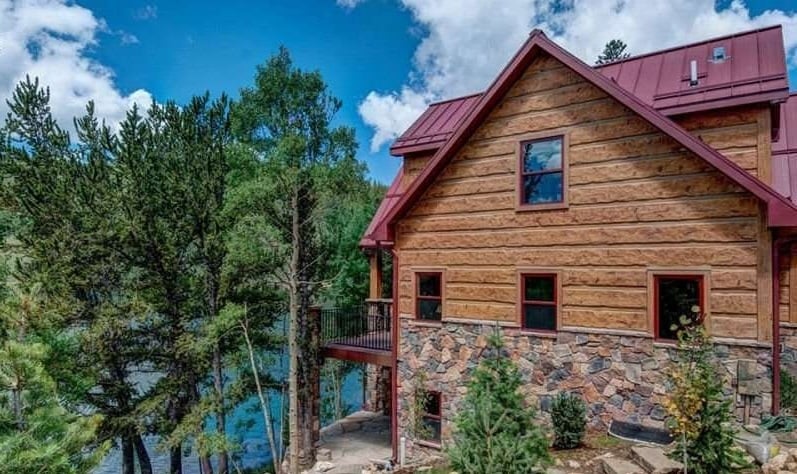
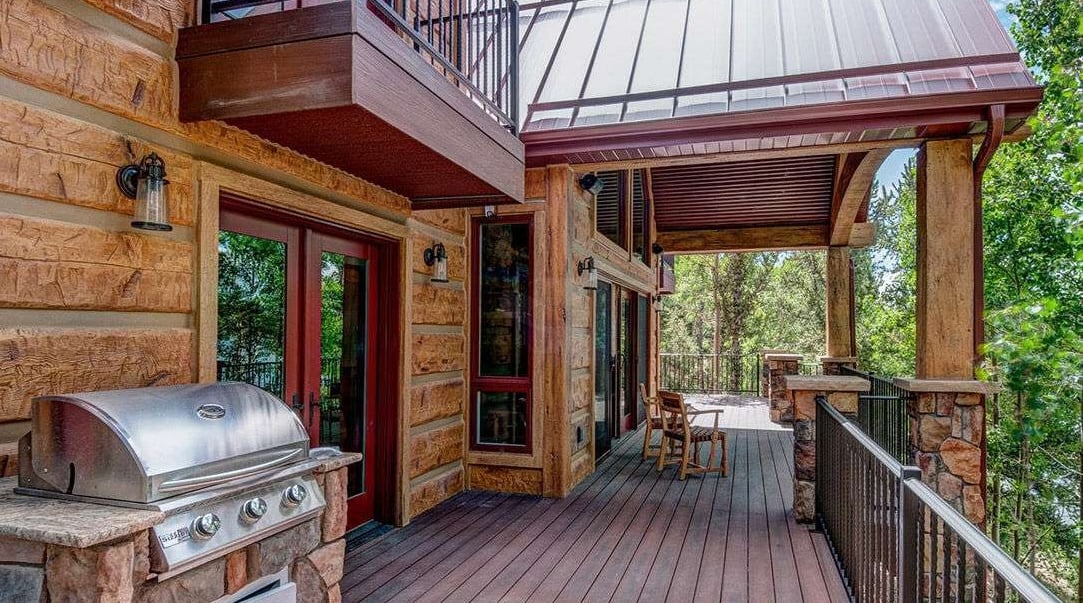
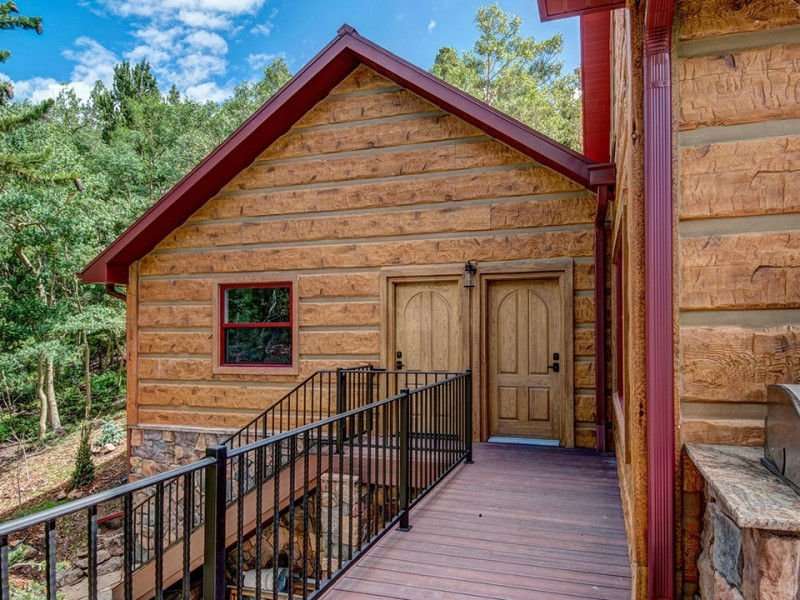
See how this build demonstrates fire wise principles in action: Grant, Colorado Cabin
A high-risk environment. A bold design. Concrete logs in the hands of builders who refused compromise. When aesthetics, performance and insurance eligibility all matter, EverLog is a decision worth making.
Why It Matters
Wildfires are becoming more intense and less predictable, but your home doesn’t have to be at risk. As the guide concludes, “With proper planning and the use of fire-resistant materials like EverLog concrete siding, you can build a home that is not only beautiful but also fire-safe.”
That’s the kind of home that stands the test of time — for you, your family, and the generations who will call it home after you.
Your home is your legacy—not just for today but for generations. Choosing wisely means fewer unknowns, fewer maintenance headaches and greater confidence in every season.
See how our community is building better log and timber homes and embracing worry-free living. Post a photo and tag #BuildBetter to keep us in the loop on your home building project.